
Staying Safe 5 min read
How to Spot and Stop Scams That Target Seniors
Phone, email and door-to-door scams are on the rise. Learn the warning signs and what to do.
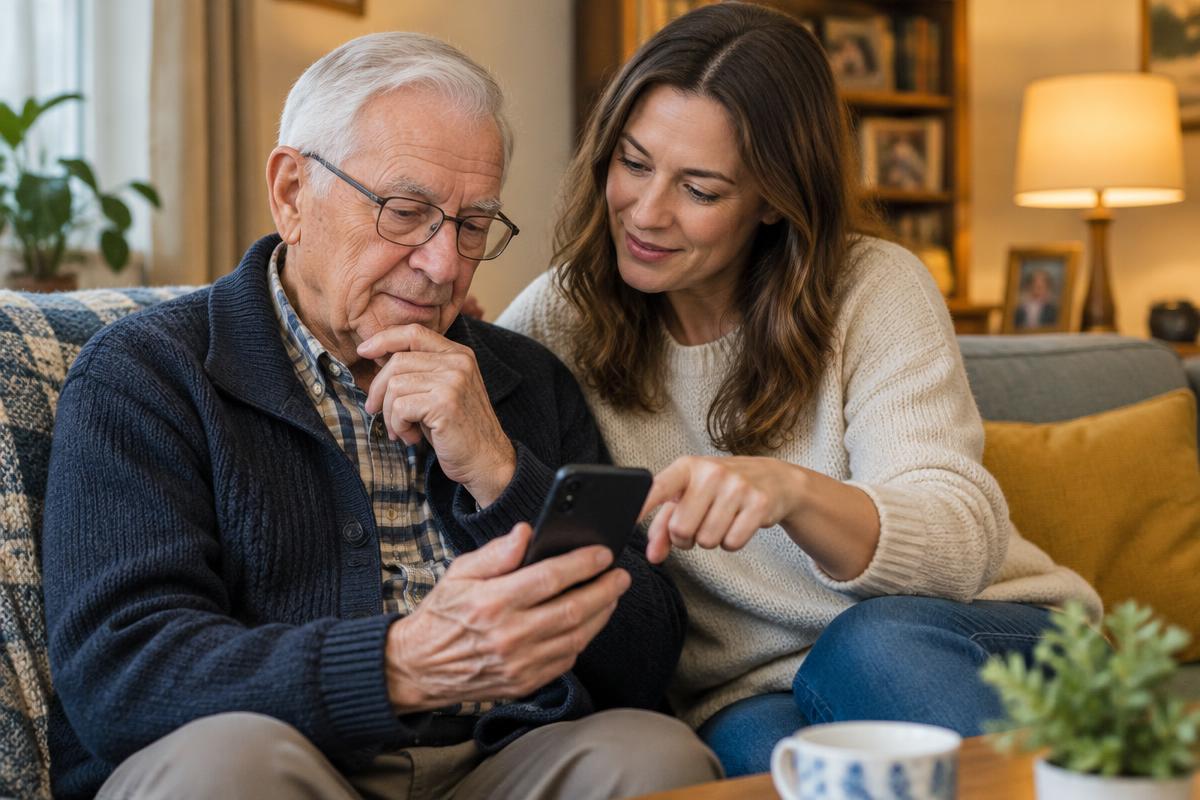
Scammers often target older adults because they tend to be polite, trusting and home during the day. Scams are getting more convincing every year — but a few simple rules can stop most of them.
Common scams to know
- The "grandparent" scam — a caller pretends to be a grandchild in trouble who needs money right away.
- Government impostors — someone claims to be from Medicare, Social Security or the IRS and threatens you.
- Tech support pop-ups saying your computer has a virus and to call a number.
- Prize or lottery calls that ask you to pay a fee to collect winnings.
- Storm repair contractors who ask for full payment up front, then disappear.
Red flags
- Pressure to act right now or keep it a secret.
- Requests for payment by gift card, wire transfer, cryptocurrency or cash pickup.
- Unexpected calls, texts or emails asking for your Social Security or Medicare number, bank details or passwords.
Simple rules that protect you
- Hang up and call back using a number you already know is real.
- Never give personal information to someone who contacted you first.
- Talk it over with a trusted family member before sending any money.
- Let unknown numbers go to voicemail.
If it happens
Don't be embarrassed — scammers are professionals. Contact your bank right away, then report it at ReportFraud.ftc.gov or to the Florida Attorney General's fraud hotline at 1-866-966-7226. For help with elder concerns, the Florida Elder Helpline is 1-800-963-5337.
This article shares general information and is not medical, legal or financial advice. Please talk with your doctor or another qualified professional about your specific situation.